
The Hotel of the Future Is Not About Luxury. It's About Recovery.
How the hospitality industry must redesign itself around the nervous system - and why this changes everything.
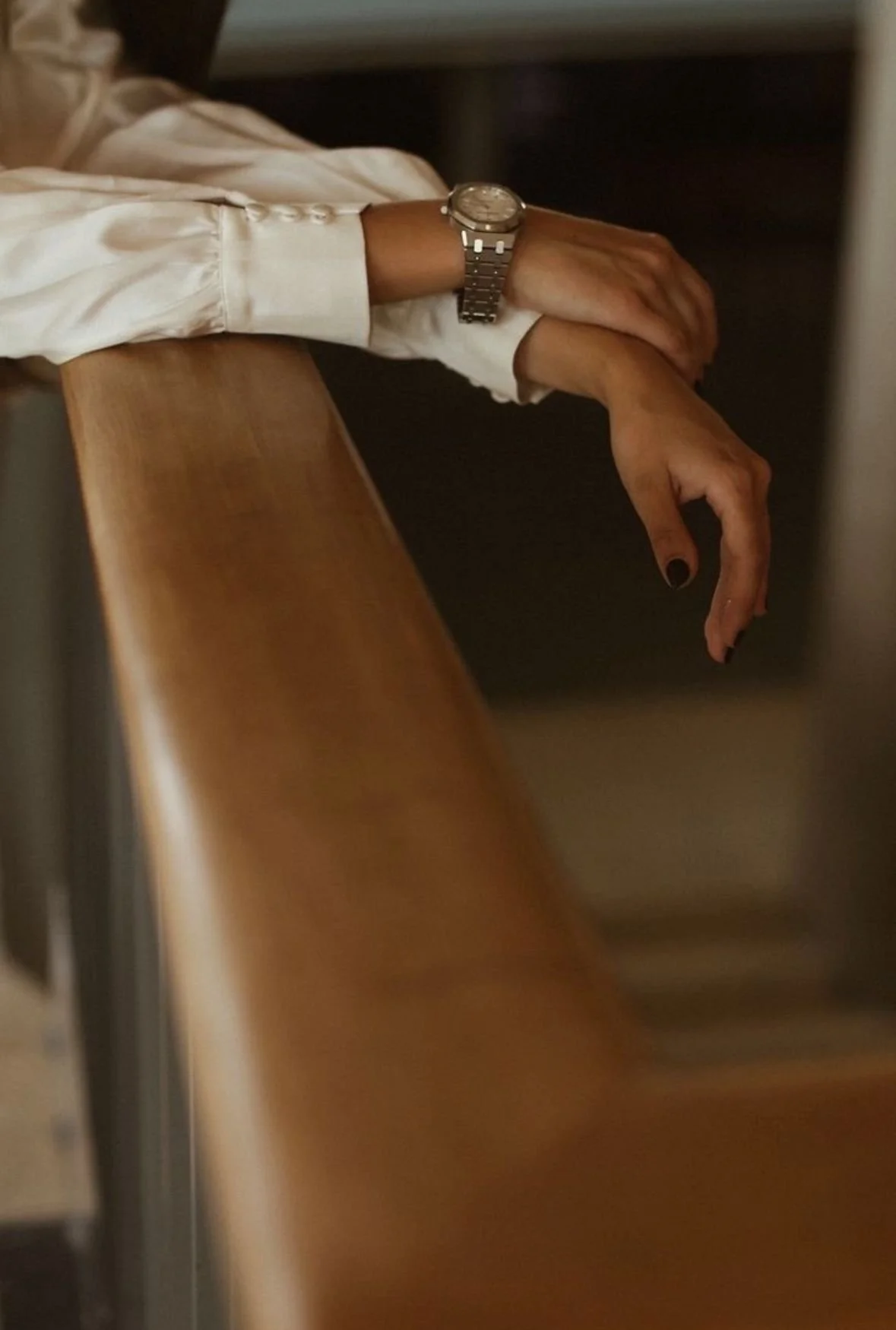
For decades, hotel design has been guided by two priorities: efficiency and experience. How quickly can we move a guest through check-in? How visually impressive is the lobby? How well does the F&B operation turn tables?
These were the right questions — for a different era.These were the right questions — for a different era.
The guest has changed. And the industry that serves them must change too.
From Guest Experience to Nervous System Regulation
Contemporary life runs on chronic input. Screens, volatility, compressed schedules, relentless connectivity. Stress and anxiety are no longer occasional disruptions — they are the baseline for most people navigating modern existence.
Travel used to be an escape from this. Increasingly, it is one of the few socially acceptable opportunities to actually recalibrate. To step outside the noise, slow the rhythm, and let the body and mind recover. Guests are not just looking for a beautiful room or an excellent meal. They are looking for an environment that reduces the load they carry in with them.
This reframes everything about how we design hospitality spaces.
The question is no longer: how do we create a memorable guest experience?
The question is: how do we design an environment that makes guests feel safe, calm, and grounded — from the moment they arrive?
Wellness Is Not an Amenity. It Is Environmental Psychology.
Here is where the industry gets it wrong most consistently. Wellness in hospitality has been treated as a department — a spa, a fitness center, a menu section, a curated pillow mist. A feature you add to a room, a service you upsell at checkout.
That is not wellness. That is packaging.
Real wellness in hospitality is environmental. It is the quality of light in the corridor at 10pm. It is the acoustic design of the lobby. It is the materials underfoot, the scent in the air, the sightlines that either create openness or constriction. It is whether the space itself — before a single service is delivered — is working with the guest’s nervous system or against it.
As our founder Sarah A. Abdallah, who holds a BA and MA in Psychology in addition to her degrees in Interior Architecture, puts it: guests are now measuring value through sleep quality, cognitive clarity, emotional steadiness, and psychological ease. The new definition of luxury is not thread count or Michelin stars. It is returning home feeling better — physically, mentally, and emotionally — than when you arrived.
The Numbers Confirm the Shift
Wellness travelers spend up to 41% more per trip than traditional travelers. This is not a niche. This is a market signal that the most forward-thinking developers, hoteliers, and F&B operators are already responding to.
The question is not whether to integrate wellness into hospitality design. The question is whether you understand what that actually means — and how deep the redesign needs to go.
What Hotels Can Actually Learn From This — and Integrate Now
This shift has concrete design implications. Here is where the transformation begins:
Sleep and circadian support. LED lighting that disrupts the body’s natural rhythm is one of the most damaging and most overlooked elements of standard hotel design. Lighting systems that mimic natural sunlight — shifting in color temperature and intensity across the day — are not a luxury add-on. They are foundational to a guest recovering while they sleep.
Metabolic nutrition and blood sugar stability. F&B programming built around how food affects cognitive and emotional state — not just flavor or presentation — changes the entire conversation around restaurant and room service design.
Movement and longevity. Fitness spaces designed for strength and functional movement, not just cardio equipment in a mirrored box.
Breathwork and downshifting practices. Dedicated spaces and programming for nervous system deceleration — not adjacent to the bar, not tucked below ground. Integrated, considered, intentional.
Sensory design throughout. Nature, flow, and calm woven into every touchpoint — materials, acoustics, scent, texture — so the environment itself encourages guests to slow down before they consciously decide to.
The goal is not a list of wellness offerings. It is a building that is oriented, from the ground up, around the guest returning home clearer and more alive than when they arrived.
We Have Been Saying This Since 2018
This is not a new observation for us. Back in 2017, our founder Sarah was already mapping out what the hotel of the future needed to become — writing about sensory integration, wellbeing technology, and the shift toward holistic hospitality programming for Luxe Getaways long before the wellness travel boom became an industry headline.
The conversation has caught up. The design has not — not yet. That gap is exactly where this Substack lives.
Functional Creative Design is a New York-based interior architecture studio specializing in luxury and wellness-driven design. We have been shaping hotels, restaurants, private membership work spaces, and luxury residences for over a decade. This is where we share what we see coming next.